

How One Conversation With My Dad Completely Changed My Relationship With Math.
A five-part guide to conversations with your child to build a lasting learning legacy.

One precious conversation with my Dad changed my relationship with math and my learning trajectory forever.
In Junior Secondary School, I really struggled with understanding math.
Actually, I hated math, I didn't like math teachers much, I just really hated math.
Every math class had this lulling effect on my entire being and my world felt like a sluggish sleep drag like I was trapped in some matrix time machine.
I wouldn’t say I found math boring. I found it mysterious. And mildly dystopian. It was like I was sucked into this weird gloomy place. This nagging feeling created a huge disinterest and disconnect from whatever was going on in the math world.
From my grades, It was obvious I nursed a stank disdain for the subject as I always performed a miserly percent above an outright “F”, out of honor for my parents and the fear of repeating a class.
One day, during the long three-month break between junior and senior year Dad called me for a private conversation.
“Ine, wetin we go do about this maths wey dey disturb you like this now ?” Dad said in Nigerian pidgin; in plain English, it means, “Ine, what can we do about this maths that has been harassing you?”“Daddy, I need to study more and listen in class, but I don't like math, I don’t like my math teachers, I don’t understand what’s going on in class, and I’m just tired,” I said, trying to unpack the overwhelming frustration I felt.Dad looked at me and asked, “Why don't you like your math teachers?” For me, this was the breakthrough moment.This one conversation frayed into my understanding of my 11-year-old self as I gave reasons for the bad grades. And for the first time, It was easier to come to terms with my role in my struggle.
Conversations aid soul soul-searching and soul-re-searching. They mirror the motivations, intentions, inspirations, habits, and mindsets of the parties in participation.
This one with Dad helped him detect the aliens and villains in my experience and in turn, helped me reflect on my approach and disposition.
That single conversation with Dad made me realise that math and my math teachers were not the villains, at least not in this story.
It provided an awareness and a strength to rewrite my own experiences and outcomes. To this day, that conversation spearheads one of the most iconic trajectory shifts I have experienced.
I resumed senior year ready to go - my teacher didn’t matter much; my fate was in my hands.
I ended with a grade point of over 85% in the first semester; a growth spike equivalent to scaling Mount Everest from base camp in a single climb.
In retrospect, I realize the strong influence conversations possess to propel mental travel, create dreams and inspire growth.
Conversations are a weighty tool in confronting real-life challenges your child might face even in their learning experience.
A few years ago, my husband and I began researching how to create alternative educational products that are family and community focused.
Finding out that conversation barriers between parents and children was a pain point begging to be addressed, we drew upon personal experiences and the works of others to create a booklet to bridge the communication gap in the educational and emotional experiences of children and their parents.
Through some experiments and iterations, we extracted the best gems into a conversation card set currently being tried out by families in our circle.
Drawing from the experience and feedback we have received, I have put together a five part guide to convert conversations to a system of results
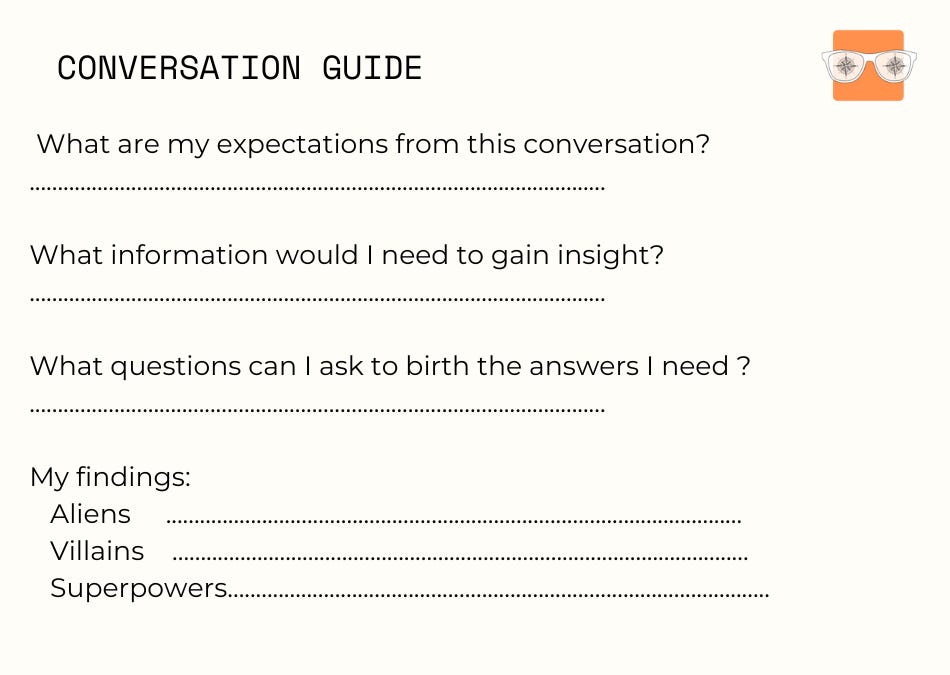
ONE: Set the conversation goal.
Set, focus, patiently wait on it!
Zooming in on the goal of the conversation provides you with patience capital to wait on conversations to blossom, especially when you get smoke screen responses like “I don’t want to be best in my class; I’m okay with whatever grade I get”
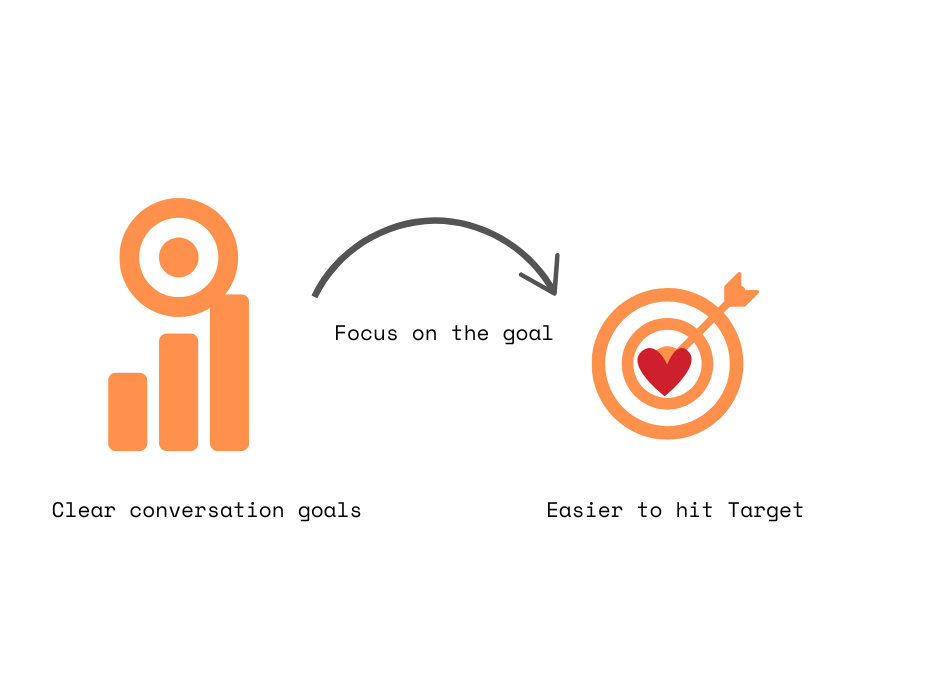
Conversations are not undercover military instructional drills to dish out the next set of tasks for your child; its goal is to help you seek to understand their why and work out the how.
TWO: Ask open-ended questions.
I know I have asked the right questions when a child’s answers transcend beyond the rigid “yes” or “no”.
A great example of an open-ended question would be:
"If you could change one thing about how you learn or do your schoolwork, what would it be, and why do you think that would make a difference for you?"
A great open-ended question births responses that reveal insights into your child’s strengths, weaknesses, and motivations.
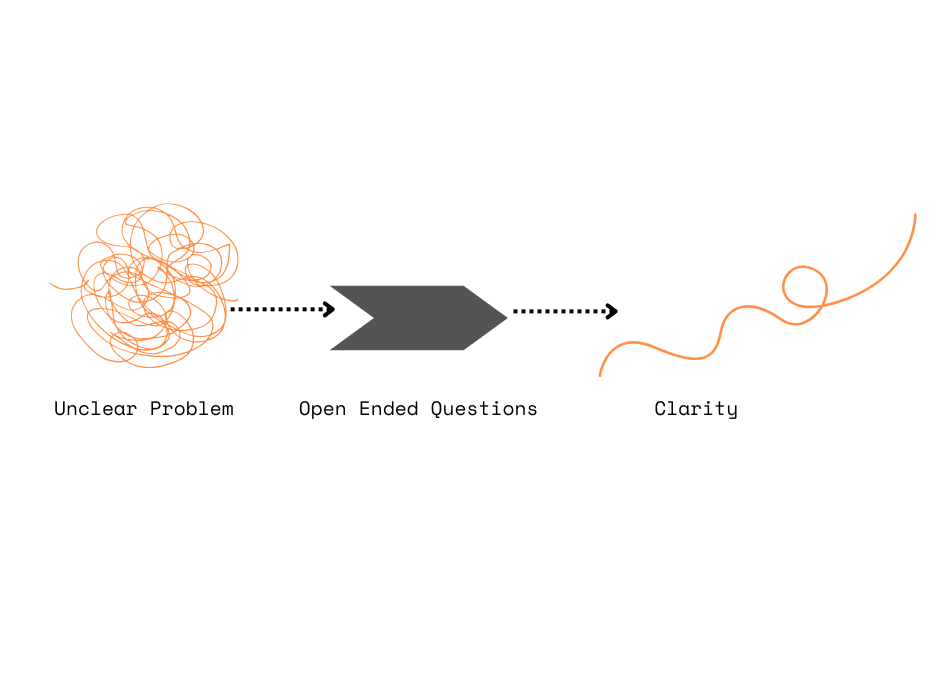
To craft great questions, ask yourself,, “What do I need to know?” and frame your questions to seek insights that will improve your child’s learning.
THREE: Identify the aliens, the villains and your child’s superpowers
Aliens = Destructive mindsets
Villains = Destructive habits
Superpowers = Their strengths, Desires, Motivations.
The dots begin to connect when you can Identify the healthy habits, unhealthy habits, mindsets, thought processes and emotional puppet strings your child has.
It is important to note this because it sets precedence for telling the right stories for inspiration and creating a structure for improvement using the strengths and weaknesses.
FOUR: Create connecting points with personal stories.
Inspiration, legacy, strength and purpose reside in stories.
And all these are passed down from the aha moments, epiphanies and striking chords from stories we hear that make the connections for us.
I fondly remember stories told by Dad from over a decade ago that carved the path of resilience to fight for growth and capacity.
As a child I was fascinated by how dad overcame certain challenges and this set the tone for determination.
As humans, we are a compendium of events, stories and experiences.
Tell your child your stories, Tell them stories of great people, choose biopics of great people for movie dates.
Great stories create the mental environment for success for learning and thriving.
FIVE: Structures and routine creation.
Meaningful conversations should stray naturally into lifestyle adjustments and routine creation if we desire change.
The goal is not just to help your child pass a subject but to help them create structures where they value learning and seek growth.
To build a functional routine, you have taken into consideration the strengths and weaknesses of your child, their schedules, the goals you have both set to achieve. Your child should use a daily time slot to pursue their learning adventure.
Then you should have conversations daily or weekly to learn how that is going.
An organized life starts from creating routines and following through. It creates habits that translate into productivity for personal agency.
This is what cements the improvement your child needs.
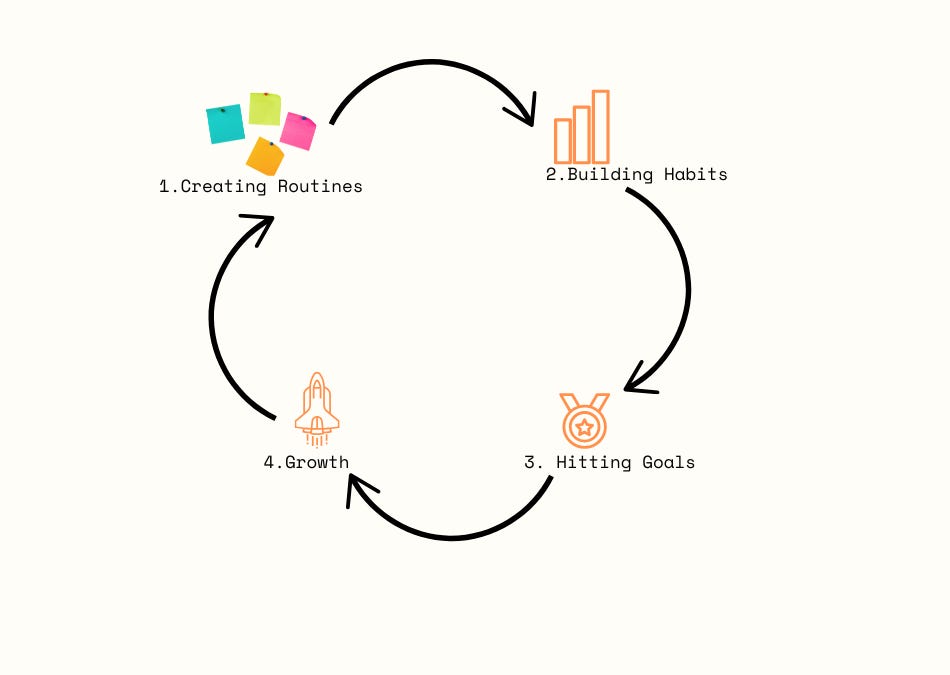
Conversation creates a faucet to expel confusion and learn better. It is the most practical way to experience the wonder of solutions by listening to how people have led their lives, done hard things and overcome challenges.
To spark your child’s curiosity, expose them to quality conversations, have conversations over shared family meal, empower them to ask you the silliest questions, make conversations with them a lifestyle then you have carved the path for building a learning legacy.
This piece is beautifully written. Every word flows effortlessly, making it a joy to read!
I love the aliens, villains and superpower characters you mention here. I’d love to see more on those and how they can help children. I have similar characters in marketing but can see how they are so powerful for kids. Great read!